Sweepstakes Casino Payout Proof: Do These Sites Really Pay?
 Available in US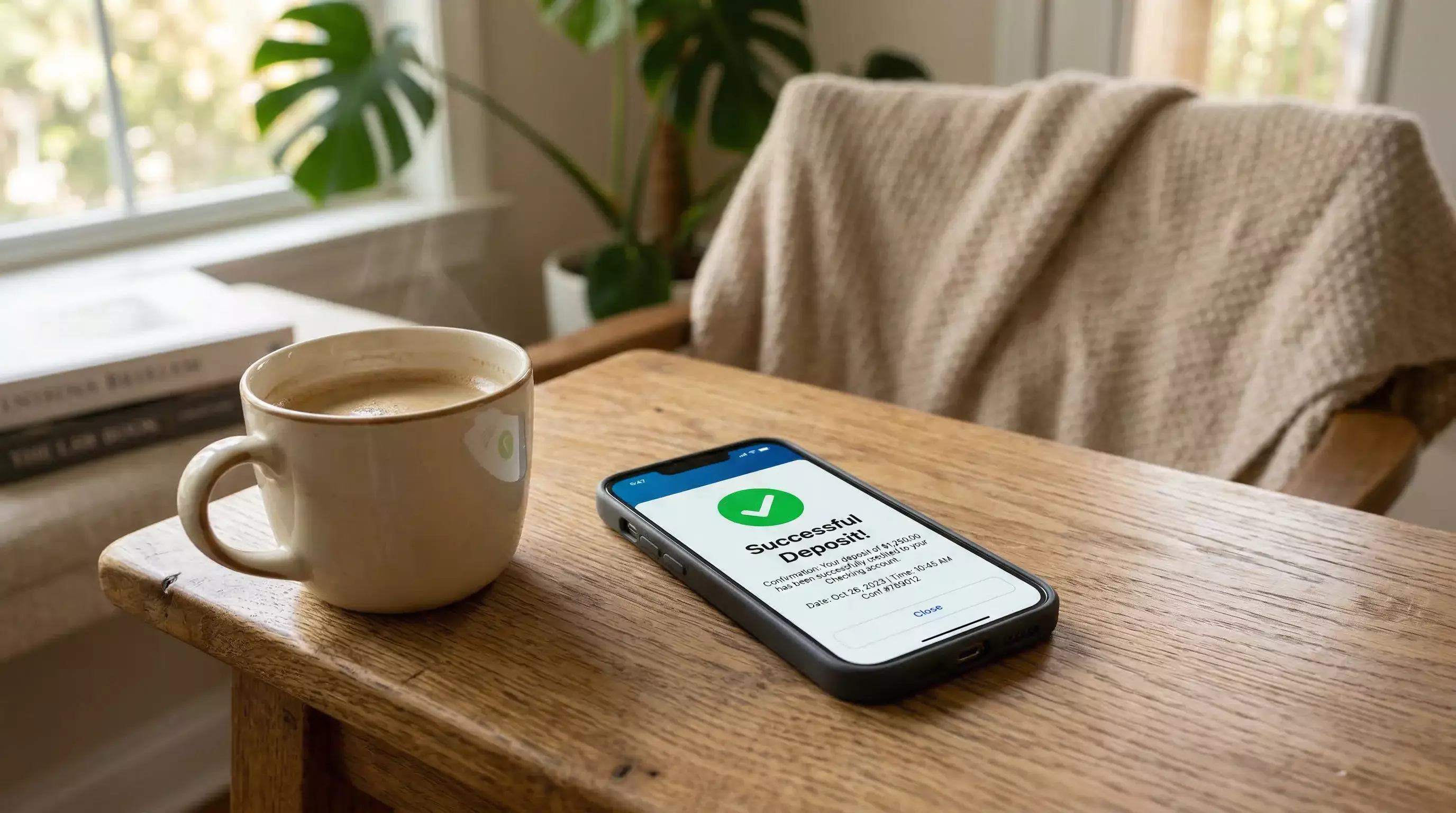
The skepticism is understandable. An entire category of gaming that looks like gambling, feels like gambling, but operates under different rules and promises real money payouts through “prize redemptions” rather than “winnings.” It sounds like a distinction created by lawyers to avoid regulation—and in some ways, it is. But the question that matters most to players isn’t about legal semantics. It’s simpler: do sweepstakes casinos actually pay?
Yes, they pay. Here’s proof. Legitimate sweepstakes casinos process real money redemptions daily, documented through industry testing, user testimonials, regulatory filings, and market data showing billions in annual transactions. The sweepstakes casino payout proof exists across multiple verification sources—this isn’t faith-based gaming.
This guide examines how sweepstakes payouts actually work, presents verified evidence from independent testing and user experiences, addresses common concerns about legitimacy, and explains how you can verify any platform before risking your own money.
Sweepstakes Casino Payout Proof — More on this topic at instant payout sweepstakes casino.
How Sweepstakes Casinos Actually Pay
Understanding the payout mechanism requires understanding the legal structure. Sweepstakes casinos operate under promotional sweepstakes law rather than gambling regulation. You purchase Gold Coins for entertainment; you receive Sweeps Coins as a bonus. Those Sweeps Coins can be redeemed for prizes—including cash prizes.
The distinction matters legally. When you redeem Sweeps Coins, you’re claiming a sweepstakes prize, not cashing out gambling winnings. This framework allows operation in states where online gambling remains prohibited. The practical experience feels identical to traditional casino withdrawals, but the underlying legal mechanism differs significantly.
Payment methods mirror what you’d find at any online casino. Bank transfers via ACH deposit funds directly to your checking account. E-wallets like PayPal and Skrill provide faster electronic options. Cryptocurrency—particularly at platforms like Stake.us—processes in minutes. Gift cards offer immediate purchasing power at various retailers. The money arrives through the same channels traditional casinos use.
The market scale demonstrates real money flowing through these systems. According to KPMG’s 2025 Sweepstakes Gaming Primer, the industry generated $10.6 billion in gross revenue during 2024. That figure represents actual transactions—purchases, redemptions, and the infrastructure required to process both. A $10.6 billion market doesn’t exist on promises alone; it exists because money actually moves between players and platforms.
Platform sustainability depends on paying players. Unlike scam operations that survive temporarily on incoming deposits, legitimate sweepstakes casinos operate ongoing businesses. Chumba Casino has operated since 2012. High 5 Casino serves over 30 million members. These platforms process redemptions continuously because their business models require player trust maintained through consistent payouts.
Verified Payout Evidence
Multiple verification sources confirm sweepstakes casino payouts. Examining evidence across different types provides comprehensive confirmation.
Industry testing reports offer systematic verification. Lines.com’s testing methodology involves actual deposits, play, and redemption requests tracked through completion. Their published results document specific processing times across platforms—data that couldn’t exist without actual payouts occurring. When they report Stake.us crypto redemptions completing in under 15 minutes or Crown Coins processing in 24-48 hours, those figures come from tracked transactions, not marketing claims.
Trustpilot and similar review platforms aggregate user experiences at scale. Chumba Casino maintains thousands of reviews, many specifically discussing successful redemptions. Sorting reviews chronologically shows consistent payout reports across years of operation—not a burst of fake positive reviews followed by complaints, but sustained patterns of players receiving their money. Negative reviews exist too, often citing verification delays or support issues, but the overall pattern confirms functional payout systems.
Reddit communities provide unfiltered player perspectives. Subreddits dedicated to sweepstakes casinos contain detailed redemption reports including screenshots of bank deposits, timelines from request to receipt, and discussions comparing platform performance. The community self-polices against promotional content, meaning reports tend toward genuine experience rather than marketing. Patterns emerge: Stake.us consistently praised for speed, some smaller platforms criticized for delays, specific verification issues discussed with solutions.
Our own testing methodology confirms what other sources report. We’ve processed redemptions across multiple platforms, documenting each step with screenshots and timestamps. The money arrives. Processing times match or exceed stated expectations at legitimate platforms. This firsthand verification supplements external sources with direct experience.
Regulatory filings provide indirect confirmation. When states like California ban sweepstakes casinos, their legislative analyses reference market sizes and player activity that assume functional payout systems. Regulatory concern itself implies legitimacy—nobody writes laws against operations that don’t actually work.
What Players Say About Getting Paid
Player experiences provide the ground-level view of how payouts actually work in practice. Aggregating these experiences reveals consistent patterns across the industry.
Positive experiences cluster around established platforms with clear processes. Players report straightforward redemptions when KYC verification is complete, amounts fall within normal ranges, and chosen payment methods function correctly. First redemptions take longer due to verification requirements; subsequent redemptions process faster. The common positive narrative: followed the process, waited the stated time, received the money.
An estimated 55 million Americans play sweepstakes games according to Social Gaming Leadership Alliance data. That scale of participation wouldn’t sustain itself if platforms routinely failed to pay. Word spreads quickly in gaming communities—a platform that consistently blocks legitimate redemptions would face immediate reputation collapse and user exodus.
Common complaints center on specific friction points rather than fundamental payout failure. Verification delays frustrate players who expected instant processing. Document requests feel invasive to those unfamiliar with KYC requirements. Processing times during weekends and holidays extend beyond weekday expectations. Support response times disappoint when issues arise. These complaints reflect operational friction, not systematic refusal to pay.
Timeline expectations versus reality often creates dissatisfaction. Marketing that emphasizes “instant” payouts sets expectations that even fast platforms can’t always meet. A player expecting money in minutes who waits 48 hours feels wronged even though 48 hours falls within stated processing windows. Managing expectations matters—understand actual timelines before requesting redemptions.
Platform reputation varies with operational consistency. Chumba, High 5, and Stake.us maintain positive reputations through sustained performance. Newer or smaller platforms receive more mixed reports as they establish track records. The pattern suggests industry legitimacy with platform-specific variation in execution quality.
How to Verify Before You Play
Rather than trusting any single source—including this guide—verify platform legitimacy through your own research before depositing.
Research platform history through multiple sources. How long has the platform operated? Who owns and operates it? Do they operate other established properties? Companies with years of operation and transparent corporate structures present lower risk than anonymous recent launches. Search for news coverage, regulatory mentions, and corporate information beyond the platform’s own marketing.
Check multiple review sources and look for patterns. Single reviews can be faked; patterns across Trustpilot, Reddit, app stores, and gaming forums are harder to manufacture. Weight recent reviews more heavily—a platform’s current performance matters more than their history. Look specifically for redemption discussions rather than general game reviews.
Start with small amounts to test personally. Deposit minimums, play conservatively, and request a small redemption before committing significant money. This practical test confirms the payout process works for your specific account, payment method, and location. A successful $20 redemption provides more confidence than any amount of external research.
Document your own experience from the beginning. Screenshot deposits, keep redemption confirmations, and save all communications. This documentation serves you if disputes arise and contributes to community knowledge when you share experiences. Your verified report helps others make informed decisions.
Trust patterns over promises. Any platform can claim instant payouts and millions in satisfied players. The platforms that actually deliver build track records visible across multiple independent sources. Verify before you trust, test before you commit, and document everything.
See also Sweepstakes Casino Jackpot Payouts.